On this page
Facebook ads are worth it for a small business when the offer is clear, the margin can cover the cost of a customer, and conversions are tracked. They work less well for urgent, search-driven services, where people look on Google first. Test with a budget you can afford to lose while the campaign learns.
That is the short answer to “are Facebook ads worth it for small business owners?” The longer answer depends on what you sell, what a customer is worth to you, and whether you can measure the result. This post covers both sides, for Meta Ads on Facebook and Instagram.
When Are Facebook Ads Worth It?
They are worth it when you have something people want once they see it, and each new customer brings in more than it costs to reach them. Three conditions matter most: a clear offer, enough margin, and working tracking.
Facebook and Instagram show your ad to people while they scroll. Nobody asked to see it. That makes these platforms strong for products and services people did not know they wanted, and weaker for things people only buy when a need comes up.
The ads tend to pay off when:
- Your product or result looks good in a photo or a short video.
- You have a specific offer, such as a first-visit price, a free quote or a bundle.
- A customer is worth enough, on the first purchase or over time, to cover the cost of winning them.
- Customers come back, so one sale leads to several.
- You can follow up quickly when someone enquires.
- You can see which leads and sales came from the ads.
| Type of business | Usual fit | Why |
|---|---|---|
| Online store with visual products | Strong | People buy what catches their eye, and repeat orders add value. |
| Gym, studio, salon or med spa | Strong | Local, visual, and suited to an introductory offer. |
| Restaurant, cafe or event venue | Good | Works for events, launches and offers within a small area. |
| Home improvement (remodeling, landscaping, solar) | Good | Before-and-after visuals work well. Sales take longer. |
| Coaching, courses and consulting | Good | Works with a clear offer and a booking step. |
| B2B with a narrow audience | Mixed | Possible, but lead quality needs close attention. |
| Emergency services (locksmith, towing, burst pipes) | Weak | People search when the problem happens. |
When Are They Not Worth It?
They are not worth it when the numbers cannot work, or when your customers find businesses like yours in a different way. It is better to know this before you spend than after.
Be cautious if any of these apply:
- Your customers search at the moment of need. Someone with a flooded kitchen opens Google, not Instagram. For urgent services, Google Ads is usually the better first channel. We compare the two in Google Ads vs Meta Ads: Which Is Right For Your Business?.
- The margin is too thin. If you make only a few dollars on a sale and customers rarely return, there is not enough room to pay for the click.
- There is no clear offer. “We exist, come visit” gives people nothing to act on.
- You cannot track results. Without tracking you are guessing, and Meta cannot learn who your buyers are.
- Nobody can follow up. Leads that wait until tomorrow often go to whoever answered today.
- The website or booking process is broken. Ads send people to it faster. They do not fix it.
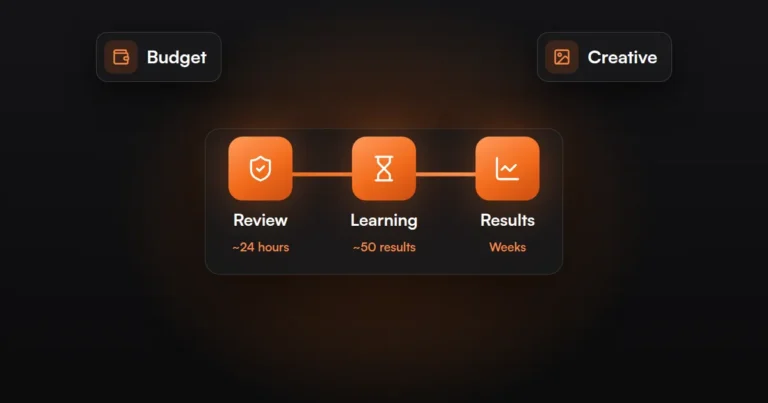
- The budget is money you need back next month. New campaigns need time to learn, and early weeks often lose money.
Most of these are fixable. A weak offer, a slow page and missing tracking can all be sorted out before you spend. Thin margins and customers who search in a hurry are harder to change, and in those cases another channel will probably serve you better.
Do Facebook Ads Work for Local Businesses?
Yes, for local businesses that people choose in advance, such as gyms, salons, dentists, restaurants and home improvement companies. They work less well for local services that people need urgently.
Local campaigns have a real advantage: you only pay to reach people who live or work near you. To make the most of it:
- Target a radius around your address or the areas you serve, and nowhere else.
- Lead with an offer that suits a first visit, such as a trial class, a free estimate or a new-customer price.
- Use real photos and video of your place, your team and your work.
- Make the next step easy. Use a short form, a tap-to-call button, or an ad that opens a chat in Messenger, Instagram or WhatsApp.
- Answer every enquiry quickly, during the hours the ads run.
- Ask each new customer how they found you, and keep a note of the answer.
Local audiences are small, so people see the same ad often. Plan to change the creative regularly, and do not expect results to grow without limit by adding budget. A neighborhood has only so many people.
Not sure whether your business is a good fit? A free audit will look at your offer, your website and your tracking, and tell you plainly.
FREE META ADS AUDIT
Find Out What Is Holding Your Facebook Ads Back
JuvioX reviews your ad account, tracking and creative, then sends a prioritized list of what to fix first. Free, with no obligation.
How Much Do You Need to Test Properly?
You need enough budget to produce a meaningful number of leads or sales at a cost you can afford, over at least a few weeks. The amount depends on your own numbers, so it is better to calculate it than to pick a round figure.
| Step | How to work it out |
|---|---|
| 1. What a customer is worth | Profit from a typical customer, including repeat purchases you can reasonably expect. |
| 2. What you can pay to win one | A share of that profit you are willing to spend on marketing. |
| 3. What you can pay per lead | Step 2 multiplied by the share of leads that become customers. |
| 4. Test budget | Step 3 multiplied by the number of leads you want to see before you judge. |
A few rules make the test fair:
- Test one offer and one audience first. Splitting a small budget across many ideas tells you nothing about any of them.
- Keep the budget steady for the whole test.
- Run it for several weeks. How Long Do Facebook Ads Take to Work? explains why the first days are a poor guide.
- Decide in advance what result would make you continue and what would make you stop.
- Only use money you can afford to lose while the campaign learns.
How Do You Know If They Are Paying Off?
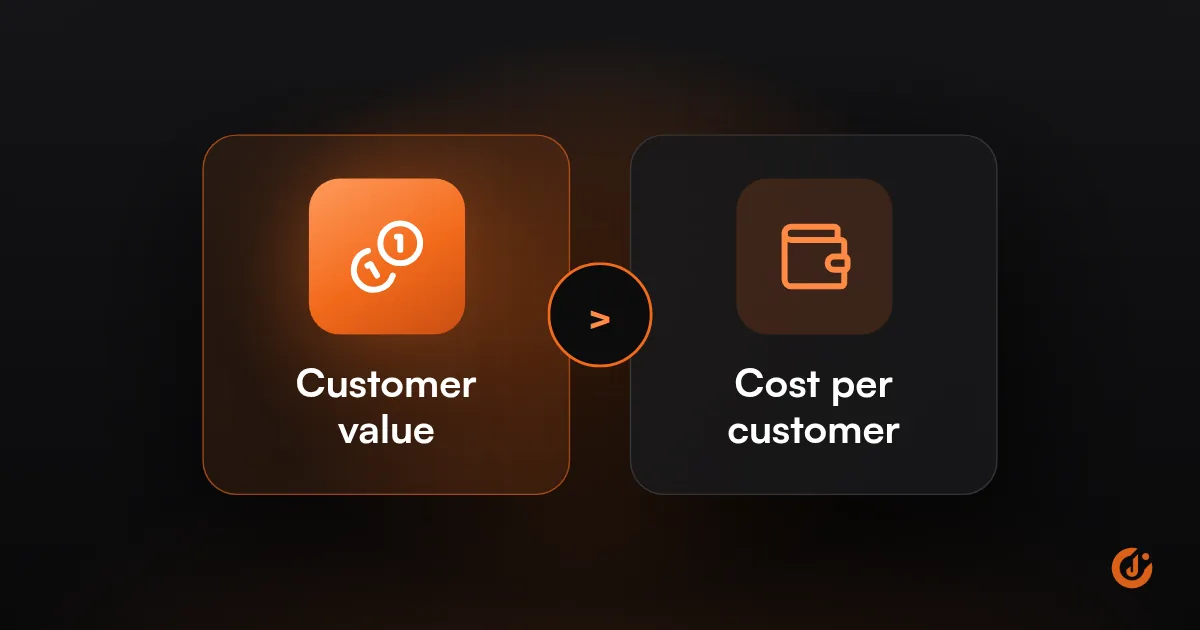
They are paying off when the profit from customers the ads brought in is greater than the ad spend plus any fees. To know that, you have to follow leads and sales past Ads Manager and into your own records.
| Number | What it tells you | Where to find it |
|---|---|---|
| Cost per lead or purchase | What each result costs in ad spend. | Ads Manager |
| Lead-to-customer rate | How many leads actually buy. | Your CRM, booking system or notes |
| Cost per customer | What you really pay to win one. | Ad spend and fees divided by new customers |
| Customer value | Profit from a customer over time. | Your sales records |
| Payback | Whether value is higher than cost. | Compare the two rows above |
Here is the math with made-up numbers, only to show how it works. Say a customer brings you $400 in profit and one in four leads becomes a customer. Each lead is then worth $100 to you. If leads cost less than that, including any fees, the ads are paying off. If they cost more, they are not, however good the click numbers look.
Two cautions. Ads Manager does not see everything, so compare it with what your till, store or CRM shows. And if conversions are not tracked at all, fix that first. It is tracking and analytics work, and every decision after it depends on it.
What Should You Try Before Giving Up?
Before you decide Facebook ads do not work for you, check whether the test was a fair one. Many campaigns fail because of setup, and the same business does well once that is fixed.
☐ Confirm tracking records a test lead or order.
☐ Check the campaign objective is Sales or Leads, and not Traffic or Engagement.
☐ Replace a vague message with one specific offer.
☐ Try new creative, with real photos or video and a different angle.
☐ Open your own ad on a phone and go through the page or form as a customer.
☐ Measure how quickly leads get a reply, and shorten it.
☐ Tighten the location and audience so the budget is not spread too thin.
☐ Give it a few steady weeks without daily edits.
If clicks are coming in and nothing else, Why Your Facebook Ads Are Not Converting (and Fixes) goes through each cause in order.
If you have done all of this and the math still does not work, stopping is a sensible decision. Put the budget into a channel that suits how your customers buy, and come back to Facebook when you have a stronger offer or a product with more margin.
If you would like a straight answer on whether the ads can work for your business, start with a free audit. You can also see how we run campaigns on the JuvioX Meta Ads service page.
FREE META ADS AUDIT
Find Out What Is Holding Your Facebook Ads Back
JuvioX reviews your ad account, tracking and creative, then sends a prioritized list of what to fix first. Free, with no obligation.
FAQ
Frequently asked questions
Do Facebook ads work for small businesses?
Yes, for many of them. They work best when there is a clear offer, a customer is worth more than it costs to win one, and results are tracked. They work poorly for urgent services and very low-margin products. A short, planned test will tell you which side you are on.
Is $1000 enough for Facebook ads?
It can be, if your cost per lead or sale is low enough for that amount to bring a meaningful number of results. For a local business with a simple offer it is often enough for a first test. For expensive products or long sales cycles it may not be. Work it out from your own numbers using How Much Should You Spend on Facebook Ads?.
Are Facebook ads still worth it in 2026?
Yes, for businesses that fit. Facebook and Instagram still reach a very large audience, and the targeting tools still work for small budgets. What has changed is that tracking takes more care and creative matters more. Businesses that measure results and refresh their ads continue to do well.
Is hiring a Facebook ads agency worth it for a small business?
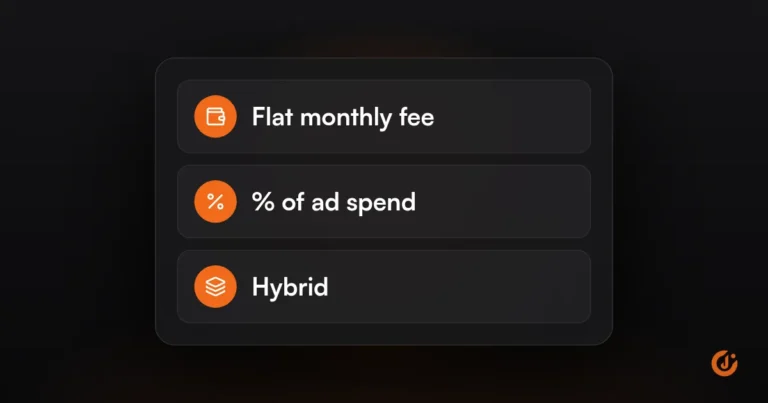
It is worth it when your ad spend is large enough that the fee is a small share of the total, and when you lack the time or skills for creative and tracking. At a very small budget, the fee can outweigh the ads. See Facebook Ads Agency Pricing: What Agencies Charge to check the math.
Are Google and Facebook ads getting too expensive?
Prices on both are set by auction, so they rise when more advertisers compete for the same people. What matters is your cost per customer compared with what a customer is worth. If that still works, the ads are not too expensive. If it does not, improve the offer or the page before you raise the budget.